


The growth of the construction and infrastructure sector is driven by smart cities, green buildings, highways, metro projects, renewable energy parks, and digital construction technologies. However, even with thousands of engineering graduates entering the employment market annually, there seems to be a shortage of employable talent, as per the perception of many recruiters. The gap between what is taught in engineering and what employers demand is one of the major obstacles in hiring in the construction industry.
According to reports from the World Economic Forum (WEF), the India Skills Report, and the International Labour Organisation (ILO), employers value skills such as communication, adaptability, digital know-how, and work experience, in addition to the technical skills acquired by civil, mechanical, and construction engineering students. The understanding of employability among graduates in civil, mechanical and construction engineering disciplines is evolving, and this is creating a paradigm shift. Knowledge of the desired profile and expectations of employers for fresh engineering graduates can equip the students to gain the required knowledge base.
Why the Construction Industry Is Changing Rapidly
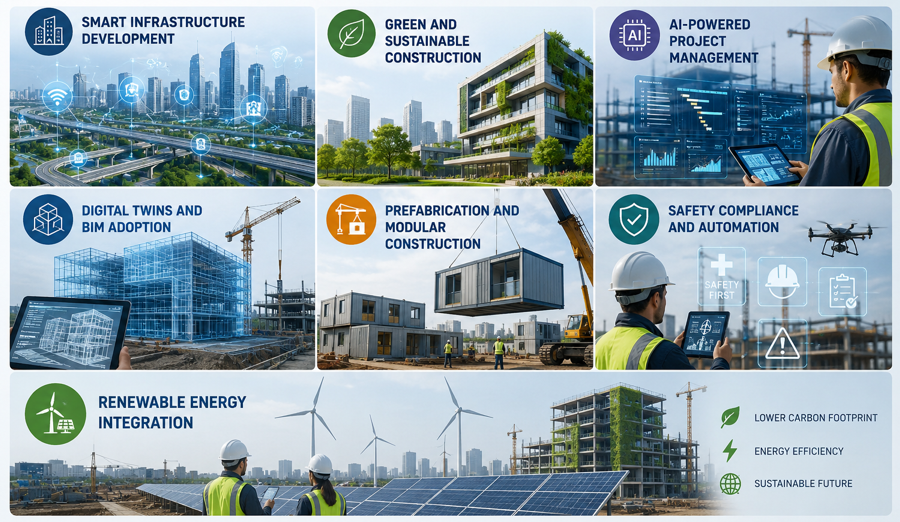
The construction industry is no longer simply about human oversight and old-school engineering. Automation, BIM tools, AI project planning, drone mapping, compliance with new environmental regulations and digital monitoring are all now integral to project development.
According to the WEF Future of Jobs Report 2025, employers across industries are increasingly prioritising analytical thinking, resilience, technology literacy, and collaboration skills. The report also states that nearly 39% of core workplace skills are expected to change by 2030. This means that understanding what construction employers want in fresh engineers is becoming critical for long-term career growth.
Major Trends Transforming Construction Careers
Top Skills Construction Employers Expect from Fresh Engineers
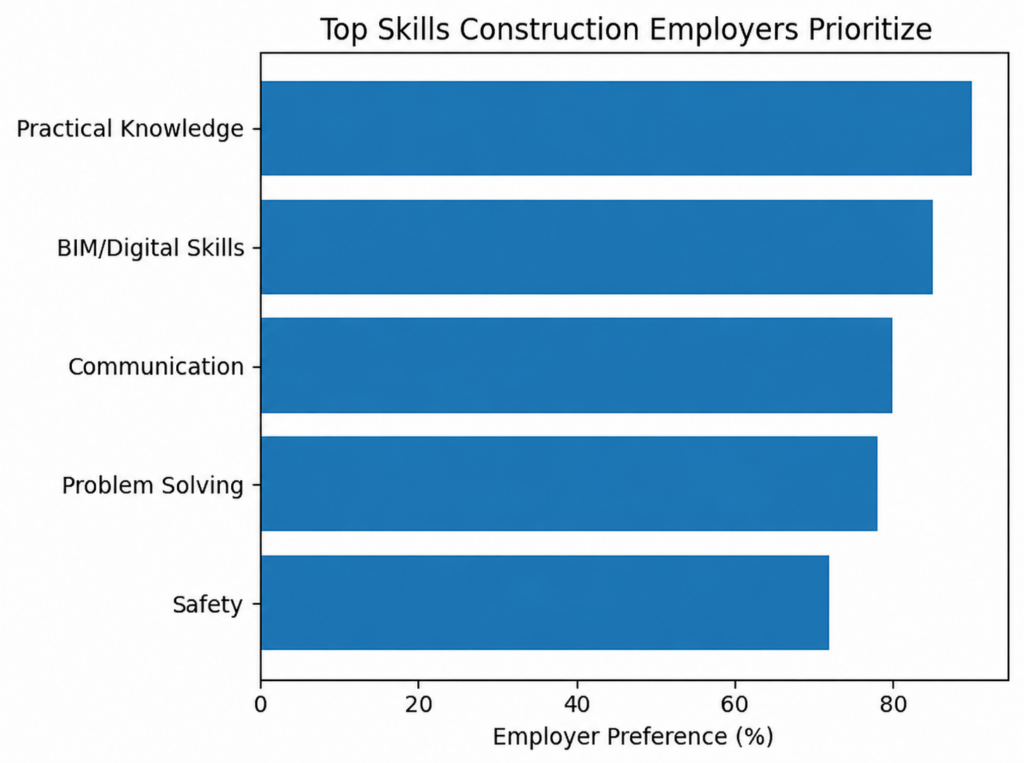
1. Practical Experience and Site Knowledge
One of the key concerns of employers is that graduates have theoretical knowledge but lack practical site experience. Consequently, on-site experience is now being viewed as a key requirement.
Entry-level engineers must:
- Be proficient at reading construction drawings.
- Have a working knowledge of basic surveying techniques.
- Be aware of material testing procedures.
- Understand on-site execution processes.
- Know the procedures for on-site concrete quality control.
- Be aware of all necessary on-site safety regulations.
Recruiters argue that those with internship experience are faster learners and can adapt to the site environment more quickly.
2. BIM and Digital Construction Technologies
One of the most prominent requirements being looked for by employers is expertise in BIM software, such as Revit, Navisworks, AutoCAD, Primavera and MS Project. These skills are a very clear indicator of the requirements of employers looking to recruit engineers at the entry-level.
3. Communication and Coordination Skills
Since construction sites involve architects, clients, consultants, contractors and labour of varying skills, effective communication is vital between all the parties. Engineers need to be able to communicate:
- Written reports.
- Verbal interactions.
- Technical explanations.
- Problem resolution.
- Team interaction.
4. Problem-Solving Aptitude
As with any project, construction has delays due to unforeseen events, changing weather conditions, insufficient resources and conflicting design documents. Companies are looking for engineers who can think under pressure.
Key skills include:
- Ability to make decisions.
- Logical and critical thinking skills.
- Risk analysis.
- Time management.
- Flexibility to adapt to new situations.
5. Health and Safety Awareness
This is the primary consideration and concern of anyone involved in a construction site. Engineers must understand:
- The importance of using appropriate PPE (personal protective equipment).
- How to identify hazards.
- The process for performing site safety audits.
- The procedures required for emergency response.
- All relevant construction regulations.
Most In-Demand Technical Skills in Construction
Technical ability has become secondary. Employers now seek to recruit graduates who possess the ability to lead teams and allocate resources.
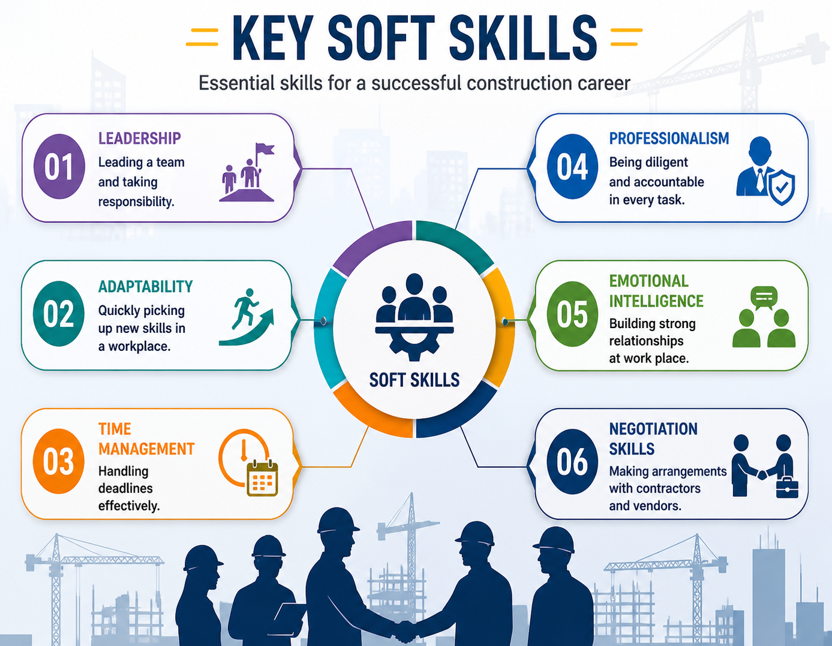
This is what Indian construction employers are now looking for in fresh engineers.
The Growing Importance of Sustainability Skills
Sustainable construction is becoming one of the quickest evolving trends in the world, and employers are now seeking engineers who understand it.
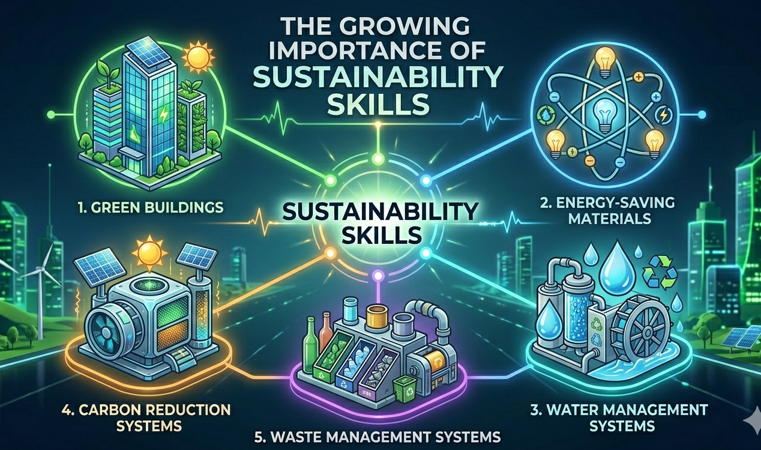
An understanding of LEED certification, IGBC guidelines and environmental norms will definitely enhance your career prospects.
Why Sustainability Matters in Construction
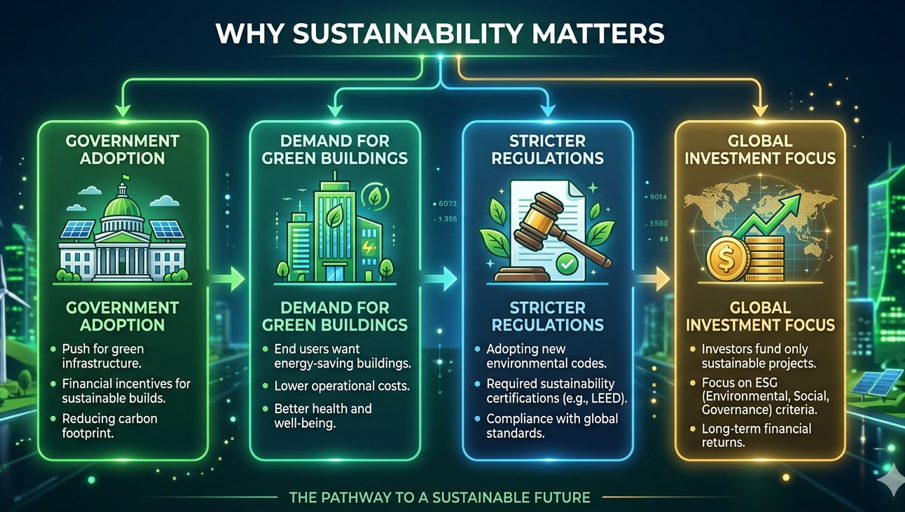
This trend reflects what employers in the construction business will seek in the next decade in their fresh engineering talent.
How Colleges Can Prepare Students Better
Engineering colleges play a major role in improving employability.
Steps that colleges should take:
1. Incorporate mandatory internships to a greater extent.
2. Set up the BIM and digital construction laboratories.
3. Organise an industry-sponsored workshop.
4. Arrange live training in projects.
5. Develop the communication and presentation skills of the students.
6. Encourage software certifications.
7. Partner with infrastructure organisations.
Colleges that tailor education based on industry demand will have students whose profiles meet the requirements for fresh graduate engineers by the construction companies.
Certifications That Improve Job Opportunities
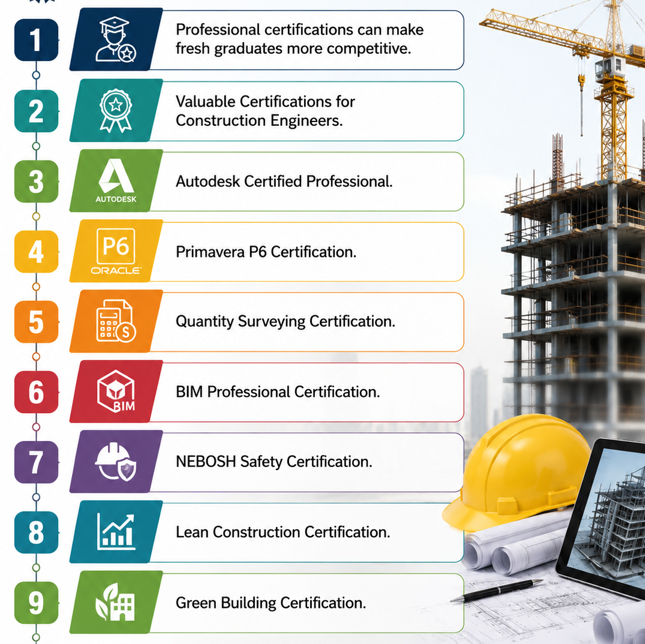
These certifications help students prove practical capability beyond academic marks.
Digital Skills That Are Becoming Essential
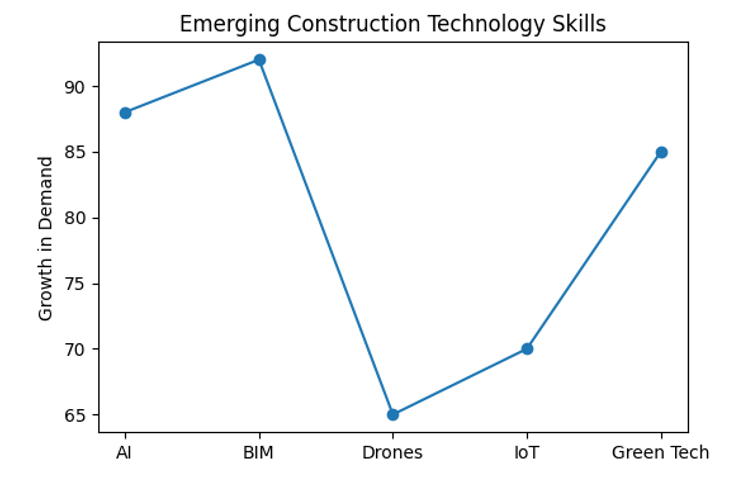
- Artificial Intelligence
- Internet of Things (IoT)
- Construction Robotics
- Drones and GIS Mapping
- 3D Printing
- Digital Twins
- Cloud-Based Project Management
Recruiters increasingly evaluate digital awareness while assessing what construction employers want in fresh engineers.
Why Internships Matter More Than Ever
Internships are mandatory. Construction employers are more interested in students who have previously been on construction sites or who have taken live projects.
Internship advantages:
- Awareness about real project problems.
- Exposure to work culture.
- Development of self-confidence.
- Building a professional network.
- Acquaintance with execution practicalities.
Internship experience greatly influences what the desire of construction employers is for newly recruited engineers at a recruitment interview.
How Students Can Become More Employable
Students can improve their employability significantly by taking practical steps during college itself.
1. Learn at least two construction software tools.
2. Complete internships every year.
3. Improve English communication.
4. Build a professional LinkedIn profile.
5. Join technical workshops and seminars.
6. Participate in site visits.
7. Learn project documentation.
8. Develop teamwork abilities.
Students who actively build these skills are more aligned with what construction employers want in fresh engineers.
Final Thoughts
The construction industry is changing at an accelerated rate compared to ever before. Employers are no longer searching only for ” toppers”. They now desire to hire engineers with problem-solving, communication, use of digital tools, sustainability knowledge and on-site ability to adopt changes. The studies conducted by WEF, ILO and India’s employability show that the technical know-how alone will not get us anywhere in the construction field.
For students, “hands-on learning is equivalent to classroom learning.” The modernisation of curriculum and integration with industry have become a necessity, and the engineers who get hired in the next decade will be the ones who upgrade themselves continuously with the desired demands of construction employers for fresher engineers. With increasing infrastructure investments worldwide and our country embracing smart city and sustainable development objectives, the engineer with practical skills and future-ready competencies will not find an end to construction jobs. Understanding the desired skills for engineers in construction is the first step to building a sustainable construction career.
Sources

