

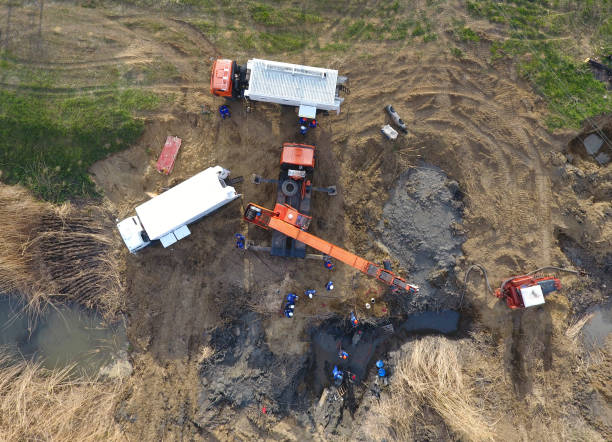
Digging deep trenches to install pipelines and other underground utility lines in the construction of gas pipelines and oil pipelines are both very important aspects of pipeline construction. When transporting crude oil, natural gas and petroleum products over long distances, installing pipelines below ground ensures safety, protection of the environment and long-term durability of the structure. Therefore, in order to install pipelines below ground, there must be a trench constructed deep enough to accommodate the entire pipeline, all bedding materials and a layer of soil to protect the entire pipeline structure.
When constructing pipelines, deep excavation can be defined as the excavation of ground materials such as soil and rock to depths that require design, engineering, structural supports and safety management systems. In general, excavation work will be performed over long linear corridors between stations and may occur across a variety of surfaces such as farmland, roadways, rivers and real estate.
The primary purpose of deep excavation when constructing a pipeline is to create a deep trench that can be inspected, aligned, installed and protected before backfilling. Proper width and depth of the trench must be maintained in order to meet site-specific safety access for workers and equipment, and also to provide for a stable trench that meets the conditions of the surrounding ground.
Importance of Deep Excavation in Pipeline Projects
The safe, secure, and long-lasting performance of oil and gas transmission lines is secured through deep excavation.
1. Protection from Environmental Exposure:
In achieving protection from the elements (such as temperature changes, adverse weather, vehicular accidents, and construction activity), underground burial provides that protection.
2. Structural Stability:
The processes involved in excavation prepare the ground for pipelines to be installed in properly prepared trenches that use proper forms of bedding material under the pipeline, resulting in your loads being evenly distributed upon the pipe and reducing deformation and failure.
3. Installation of Protective Systems:
Excavation will provide the opportunity to install anti-corrosive coatings (or other anti-corrosive systems), cathodic protection systems, and install warning tape to protect the pipelines to extend their life and reduce the risk of damage.
4. Infrastructure Integration:
Excavation will create the opportunity to install the associated infrastructure components of the pipeline, which consist of pump stations, valves, metering, and compressor stations. All of these components require an underground connection for the piping systems.
5. Operational Safety and Reliability:
Successful excavation procedures have the potential to minimise the risks of failures of the pipeline systems when properly installed, provide successful, safe installation, and maximise the overall efficiency and long-term viability of the pipeline systems.
Pre‑Excavation Planning and Site Investigation
Before the excavation process starts, many engineers do extensive planning and site investigation. The purpose of the studies is so they can determine if any hazards might hinder or stop the excavation of the site, as well as what kind of soil and water conditions exist at the site.
With regards to underground utilities, in many instances, there will be an underground utility already present on or near the excavation location. These utilities, which include items such as water, electricity, telephone, cable, and natural gas, will need to be located and identified before any excavation work can be completed.
If not found and properly identified before excavation, damage done to an underground utility could result in serious injury or cause an interruption to the utility service. Before beginning any excavation projects, engineers must assess risks associated with their implementation before they are able to begin working on the actual project itself.
Excavation Methods Used in Pipeline Construction
Some of the excavation methods are:
1. Open Trench Excavation:
This is the most common form of pipeline construction. An open trench is excavated, using various types of equipment, along the route of a pipeline and the pipeline is then installed and filled back in.
2. Benching and Sloping:
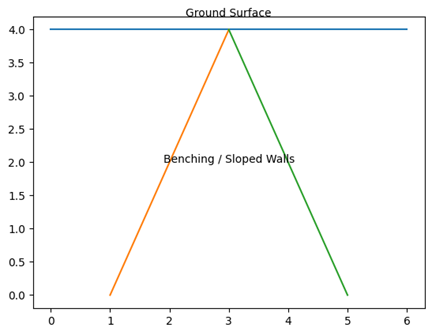
Two methods of stabilising trench wall sides are sloping (making the walls at an angle to mitigate the effect of soil weight) and benching (creating levels on the wall side that allow for better distribution of load).
3. Supported Excavation Systems:
There are supported excavation types used when excavating in deep or unstable soil. Examples include hydraulic shoring, timber shoring, steel sheet piling and trench boxes. All act as structural support and also assist in providing safe working conditions through minimising risk to workers.
4. Trenchless Methods (HDD):
Horizontal Directional Drilling is the method that can be utilised for the installation of pipelines under obstacles such as rivers, roads, and populated areas while minimising disruption to the surface.
Trench Design and Engineering Considerations
It is important to have a good trench design when excavating pipelines. Engineers must determine if there is sufficient width and depth in the trench to safely install pipelines and associated infrastructure, such as support structures.
The trench width, which includes additional width for placing workers and equipment, will also be dependent upon how large the diameter of the pipeline is, thus necessitating that there will be adequate space around the pipeline on each side to allow installation and inspection of the pipeline functionally.
The depth of the trench must also vary based upon different variables (e.g., the diameter/size of the pipeline or installation area) so that the trench can meet federal, state, or local legal requirements that have to do with how deep it is to bury a pipeline.
The spoil from the excavation of the trench must be placed at a distance sufficiently away from the haul road that it does not cause pressure on the sides of the trench walls. When there is a lot of water in a trench (due to rain or groundwater), it will put pressure on the ground around that trench and may make for an unsafe working environment. If a trench has “good design,” it will offer safe working methods for construction, be efficient for installing pipelines, and give the pipeline long-term support.
Pipeline Bedding and Installation
Once excavation is complete, the bottom of the trench must be prepared before the pipeline is installed. The foundation is created by establishing a bedding material such as sand, fine soil or gravel.
The bedding will help provide a solid, smooth, even surface for the pipe to sit on, as well as protect the pipe by minimising damage to the pipe coating from sharp rock or other surface irregularities or rough or jagged earth.
Pipelines are generally lowered into place within the trench by means of some sort of special equipment (e.g., side boom tractor, crane). The pipeline must be placed in proper alignment so that adjoining parts can be connected appropriately.
After installation, the pipe will be inspected to ensure that the coating is intact, that the welds meet required quality standards, and, where applicable, that protective materials are used above the pipe before backfilling in order to afford additional protection of the pipe.
Backfill refers to moving excavated materials back into the trench, compacting, etc. To provide stability for the ground, proper compaction must be established to keep the soil compacted correctly and the pipe securely in position below ground.
Engineering Illustrations
Figure 1: Typical Pipeline Trench Cross Section
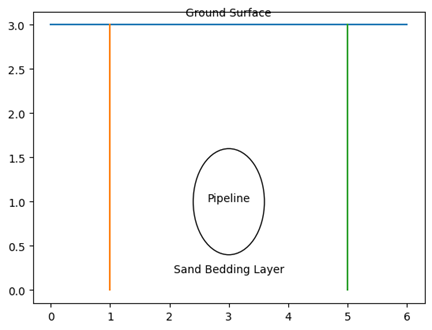
Figure 2: Trench Shoring Support System
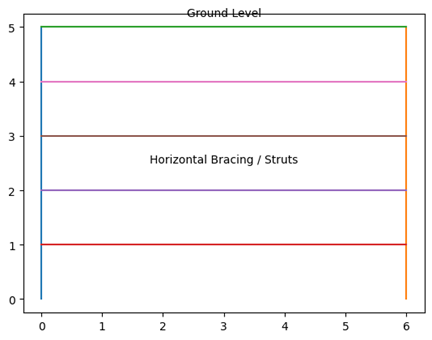
Figure 3: Benching / Sloping Excavation Method
Safety Considerations in Deep Excavation
Let’s look into some of the safety considerations in deep excavation:
- Defensive systems similar to sloping, shoring, and trench shields are used to help with soil failure, with the selection grounded on trench depth and soil bracket.
- Use pumps and drainage systems to remove redundant water and maintain safe working conditions.
- Excavation spots must include proper entry and exit routes to ensure worker safety.
- Proper worker training and supervision are essential to prevent accidents and ensure safe excavation operations.
Environmental and Sustainability Considerations
Excavation activities are an environmental problem if they are not properly managed. To control erosion as a result of pipeline construction projects, various erosion control measures, such as silt fences, sediment traps, and drainage control measures (aka bunds), may be used to trap soil from running into nearby lakes.
The digging usually causes damage to vegetation during construction, but it is possible to restore the land after the installation of the pipe through a right-of-way restoration plan. This will help to reduce the long-term impacts of vegetation loss on the environment.
In addition to these tree removal projects, some construction projects manage the disposal of contaminated soil or form the basis for disposing of construction debris, which must be handled and disposed of according to environmental regulations.
Industry Standards and Regulations
Important standards include:
- OSHA Excavation Safety Standards (29 CFR 1926 Subpart P)
- Pipeline and Hazardous Materials Safety Administration (PHMSA) guidelines
- American Petroleum Institute (API) pipeline construction standards
- ASME B31.4 and B31.8 pipeline design codes
All of these standards give guidance through the design of the trench, the protection of workers, how to install a pipeline, as well as the requirements for the inspection of all work that has to be done with respect to the trenching.
By following these standards, you’re going to be able to demonstrate that you’re working within the best practices of the industry as well as having met regulatory requirements, and as a result, you’re following those standards.
Final Words
Oil and gas pipelines require digging deep for their installation, which is the most important part of constructing them. It provides enough room underground where the pipeline can be installed, as well as protecting other infrastructure beneath the ground and keeping them safe while the pipeline is in operation.
An excavation is only going to be successful if it’s properly planned and analysed by engineers before any digging starts to ensure safety management is strictly adhered to. With the world’s growing energy infrastructure, good excavation practices are needed to keep building safe and reliable pipeline systems for the future.
Sources
- Excavation Safety (OSHA)
- Pipeline Construction Overview (PHMSA – U.S. DOT)
- Pipeline Engineering Standards (ASME Codes)
- American Petroleum Institute (API)
- Trench Design & Utility Crossing Guidelines
- Trenchless Technology / Directional Drilling
- General Pipeline Construction Process
- https://www.fractracker.org/resources/oil-and-gas-101/pipeline-construction/
- https://pipelineawareness.org/media/pqto5xni/2021-excavation-safety-guide-pipeline-edition.pdf
- https://nbeub.ca/uploads/2018%2011%2013%20-%20Guidelines%20for%20Excavations%20in%20the%20Vicinity%20of%20Pipelines.pdf
- https://www.mdpi.com/2076-3417/14/2/572

