

Introduction
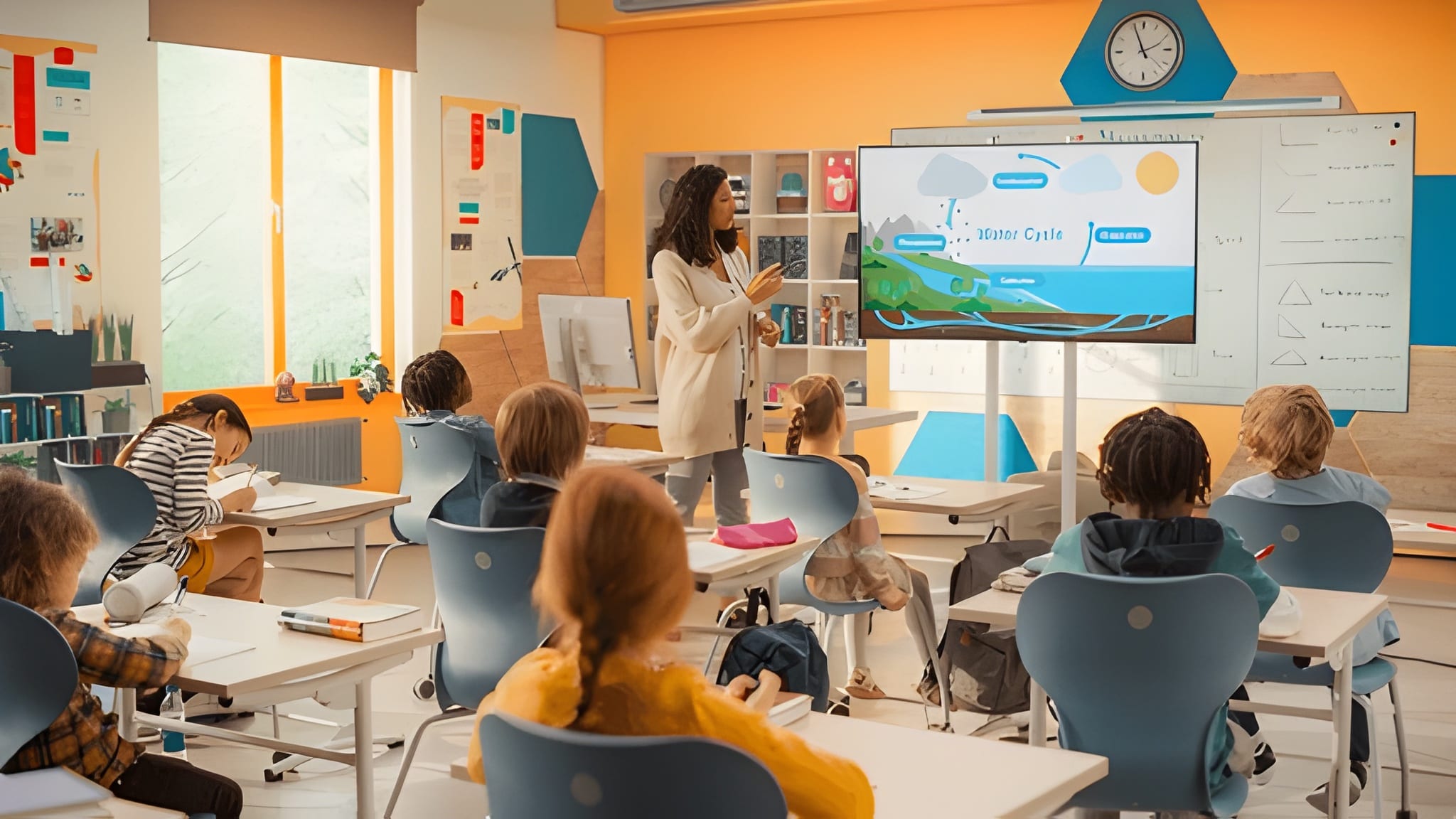
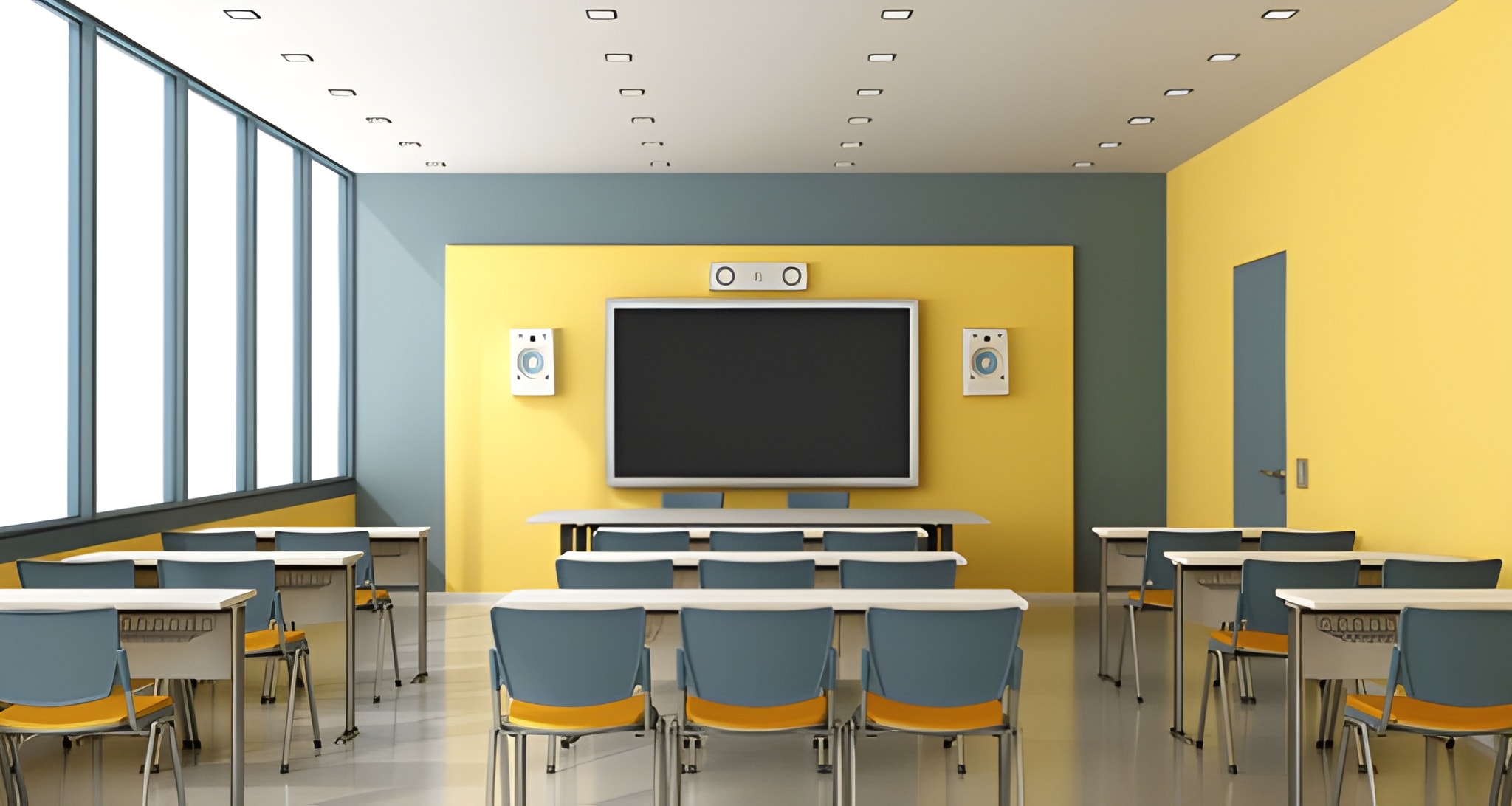
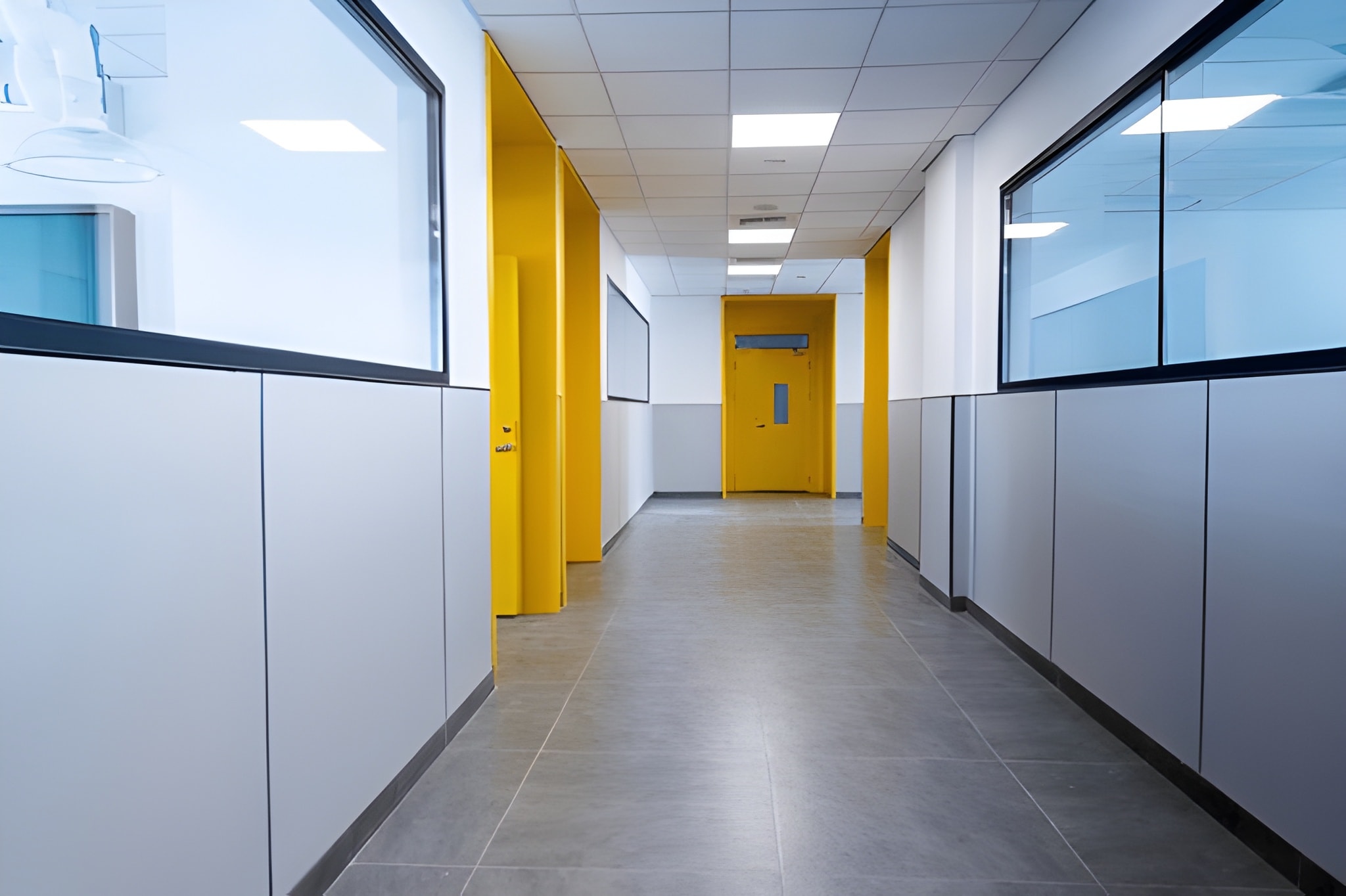
Education today goes far beyond textbooks and chalkboards. The rise of modern classroom facilities has transformed how students learn, collaborate, and engage with knowledge. With smart technologies, ergonomic spaces, and flexible layouts, schools and universities are creating environments that inspire creativity, inclusivity, and innovation. These modern learning spaces form the backbone of a future-ready education industry.
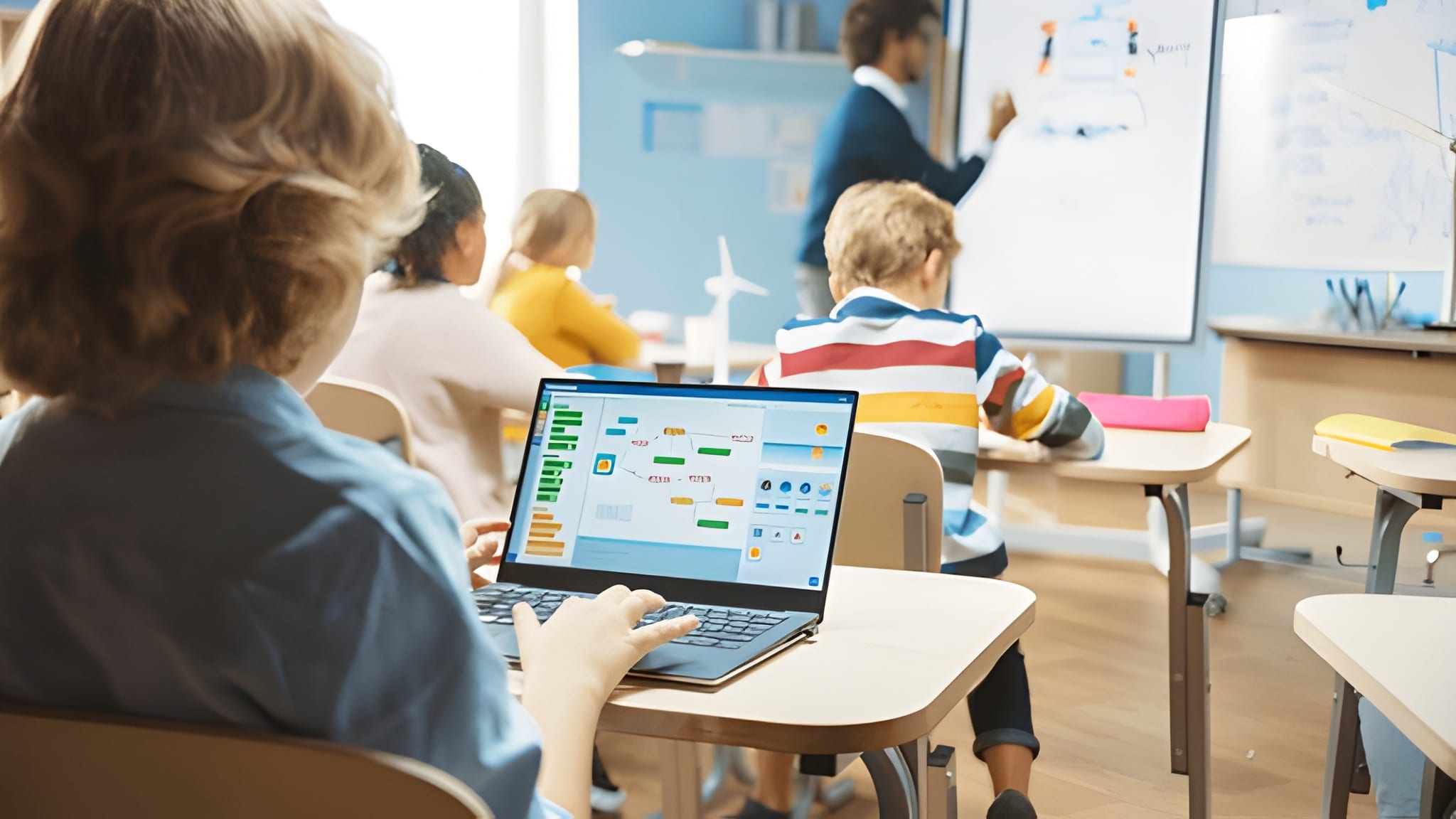
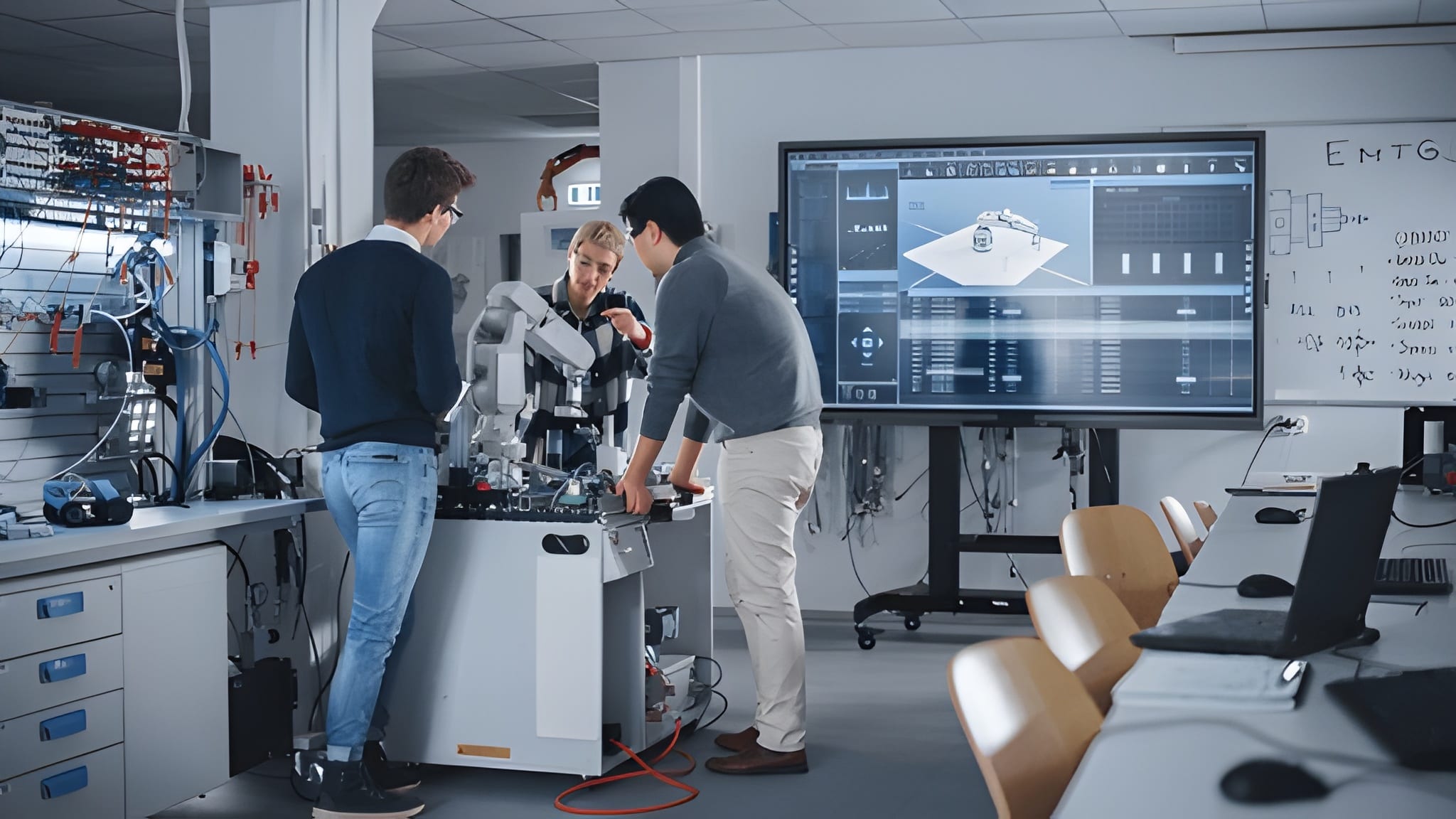
Whether in primary schools, technical institutions, or higher education, modern classrooms are designed to support digital learning, critical thinking, and hands-on experience. They connect students and educators through technology, encourage collaboration, and make learning an active, interactive process.
✨ By Advancing Modern Classroom Facilities
Upgrading classroom facilities in the education industry helps schools and universities to:
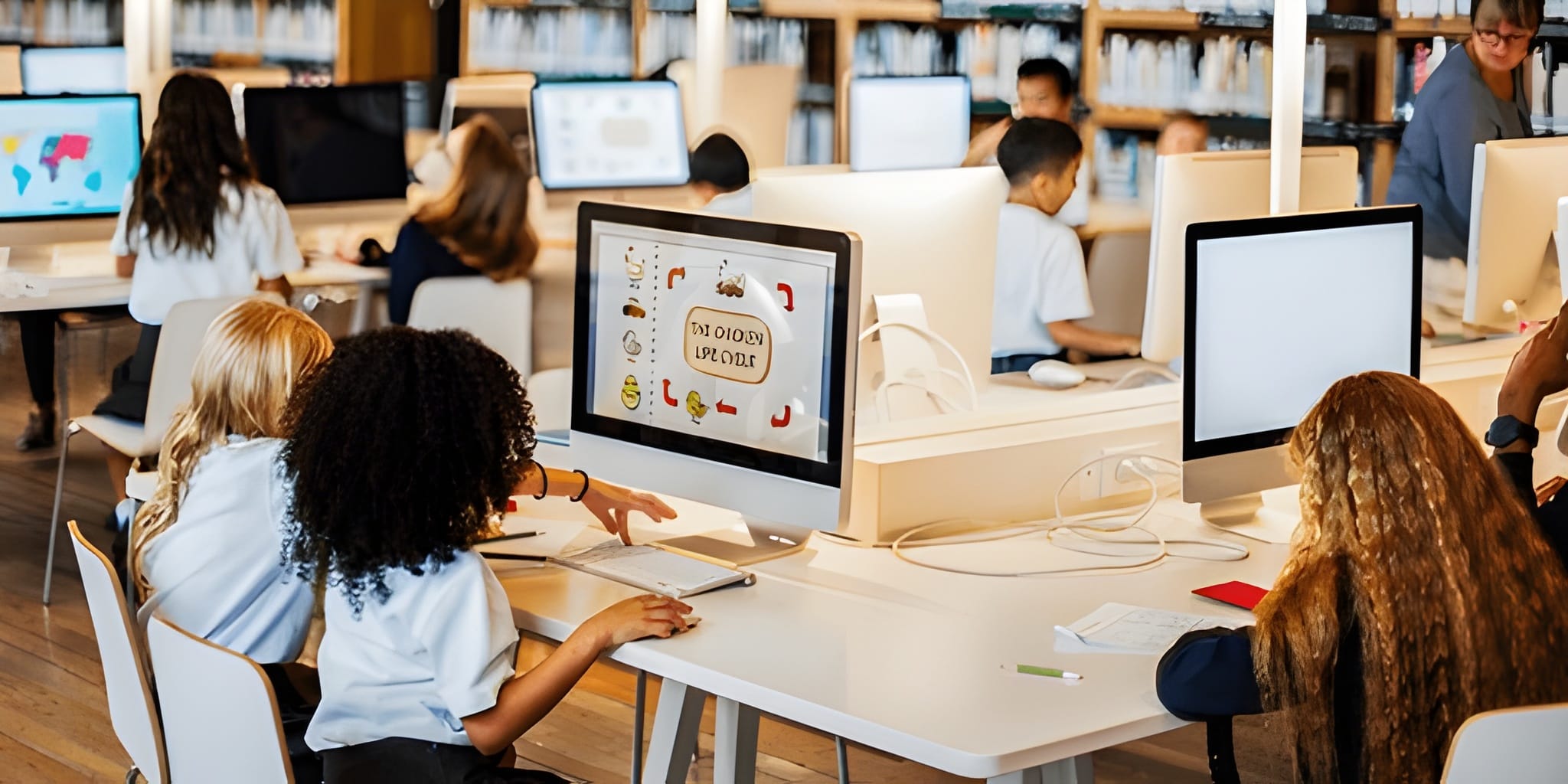
- Enhance Learning Experiences – interactive boards, digital projectors, and VR tools make lessons more engaging and memorable.
- Encourage Collaboration – flexible seating and teamwork zones promote communication and group problem-solving.
- Support Hybrid Learning – classrooms equipped with smart screens, cameras, and digital platforms allow in-person and remote students to learn together.
- Improve Accessibility – inclusive designs ensure that every learner, regardless of ability, can fully participate in classroom activities.
These changes are shaping the next generation of learners—students who are not only academically strong but also digitally fluent, globally aware, and adaptable to the evolving world of work.
Learning Visuals


Why Modern Classroom Facilities Matter
- Boost Student Engagement – dynamic, technology-enhanced spaces capture attention and improve participation.
- Support Innovative Teaching – educators can experiment with blended, project-based, and flipped classroom models.
- Encourage Lifelong Learning – students gain exposure to digital tools used in real-world careers.
- Promote Sustainability – eco-friendly lighting, smart climate control, and paperless systems reduce environmental impact.
Modern classroom facilities are not just physical upgrades—they represent a shift in how education is delivered and experienced. They empower teachers and students to engage in learning that is relevant, connected, and future-focused.
Fresh Insights
From digital whiteboards to AI-assisted tutoring, modern classrooms are becoming innovation hubs that prepare learners for the challenges of tomorrow.
- Courses, Careers, and Connections: A Better Model for Construction Talent Development
- Future of Construction Learning in India: A New-Age Skills Revolution
- The Great Decoupling: Can AI in Construction Productivity Solve the Industry’s Deepest Process Hurdles?
- What Construction Employers Really Want in Fresh Engineers in 2026
- How Better Collaboration Helps in Construction Dispute Avoidance in Modern Projects

