

In a world powered by digital tools and global connectivity, more people than ever are turning their passion projects into profitable businesses. What once started as a weekend side hustle is now evolving into fully-fledged startups — creating jobs, solving problems, and reshaping industries. Welcome to the new age of entrepreneurship — one where side hustles become the starting point, not just the side note.
🌟 What Is a Side Hustle?
A side hustle is any venture or project pursued outside of your main job — typically something you’re passionate about that earns extra income. Examples include:
- Freelance graphic design
- Selling handmade products online
- Teaching on platforms like Udemy or Skillshare
- Running a YouTube channel or podcast
- Offering digital marketing or coding services
These side gigs are low-risk ways to test business ideas while maintaining financial stability.
📈 Why Side Hustles Are the New Startup Incubators
✅ 1. Low Risk, High Learning
Starting small allows entrepreneurs to test the market, gather feedback, and make improvements — all without quitting their day job.
✅ 2. Bootstrapping Builds Discipline
Without external funding, side hustlers learn to manage resources, prioritize customers, and grow organically.
✅ 3. Passion-Driven Growth
Side hustles often stem from personal interests, which means founders are more invested in the long-term mission.
✅ 4. Digital Tools Make It Easier Than Ever
With platforms like Shopify, Canva, Substack, and Fiverr, anyone can launch a business with minimal investment and reach a global audience.
🔁 When Does a Side Hustle Become a Startup?
Transitioning from a hobby to a full-scale business depends on key signs:
- Consistent revenue generation
- Growing customer base
- Market demand beyond your capacity
- Desire to scale and hire others
- Registered business entity and brand strategy
Once your side hustle starts requiring full-time attention and has growth potential, it’s no longer a hustle — it’s a startup.
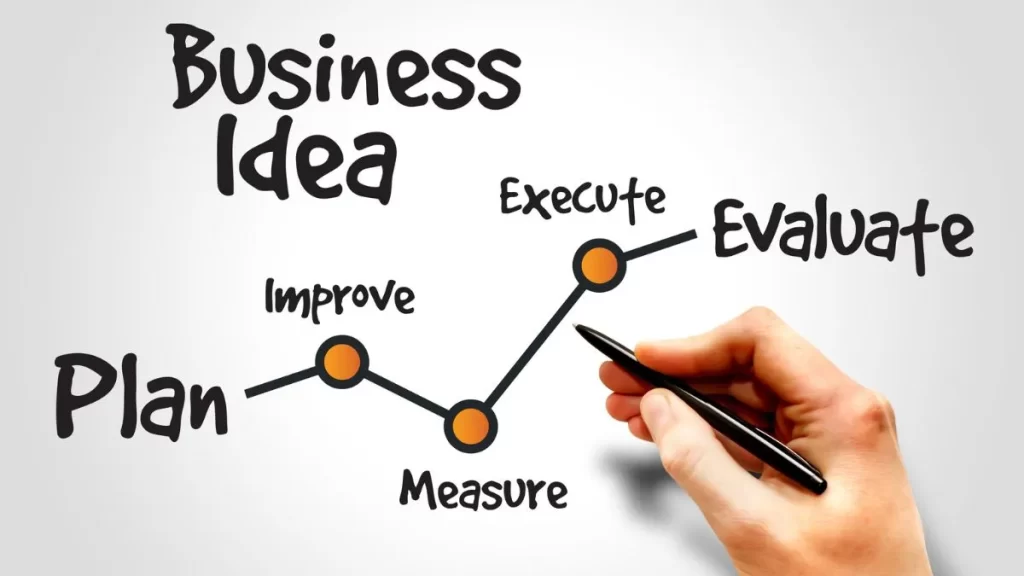
🧠 Steps to Turn Your Side Hustle into a Startup
1. Validate Your Idea
Survey your audience. Track sales. Make sure there’s a real, scalable demand.
2. Build a Brand
Design a logo, set your tone of voice, and create a consistent brand identity across platforms.
3. Set Up Operations
Automate payments, handle taxes, organize logistics, and choose tools for customer management.
4. Develop a Business Model
Understand how you’ll scale — will it be product-based, subscription-based, service-oriented, or a hybrid?
5. Get Legal and Financial Clarity
Register your business, get any required licenses, and separate personal and business finances.
6. Plan the Transition
Don’t quit your job overnight. Create a 6–12 month plan to transition from side hustle to startup.
💡 Real Examples of Side Hustles Turned Startups
- Spanx: Sara Blakely started with $5,000 and turned it into a billion-dollar company.
- Mailchimp: Originally a side project, now a global email marketing platform.
- Notion: Once a simple productivity tool — now a startup used by millions.
🔮 The Future of Entrepreneurship Is Personal
We’re entering a time when people aren’t just building businesses — they’re building personal brands, communities, and legacies. The rise of the creator economy, solopreneurs, and flexible work structures makes this path more viable than ever. You don’t need a Silicon Valley investor to start — all you need is a skill, a solution, and the drive to grow.
🚀 Final Thought: Your Hustle Has Power
Whether you’re coding after hours, baking at night, or coaching clients on weekends — your side hustle has the potential to become something extraordinary. So dream big, start small, and scale smart — because the startup of tomorrow could be your hustle today.

