

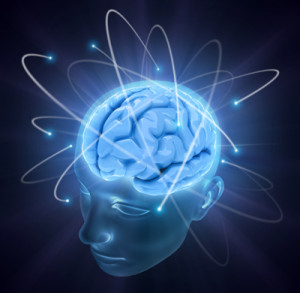
The idea of uploading human consciousness — turning thoughts, memories, and identity into data — has fascinated both scientists and science fiction lovers for decades. But is it actually possible? Can we transfer what makes us “us” into a computer or a digital world? This blog dives into the current science, theories, and challenges behind one of the boldest ideas in human history.
🤔 What Does “Uploading Consciousness” Mean?
Uploading consciousness refers to digitally replicating the human mind, including:
- Thoughts
- Memories
- Emotions
- Personality
The ultimate goal? Preserve a person’s identity, potentially achieving digital immortality — living on in a virtual world, or even controlling a robotic body.
🧪 The Science Behind It
To upload a mind, we would need to:
1. Map the Entire Brain
- The brain has 86 billion neurons and trillions of connections (synapses).
- Scientists would need to scan and understand every neural pattern, structure, and chemical signal.
2. Simulate Brain Activity
- We’d then need to replicate this brain activity using advanced AI and supercomputers, creating a functioning digital “copy.”
3. Store and Run It
- The brain’s complexity would require massive data storage and processing power to run a virtual mind in real-time.
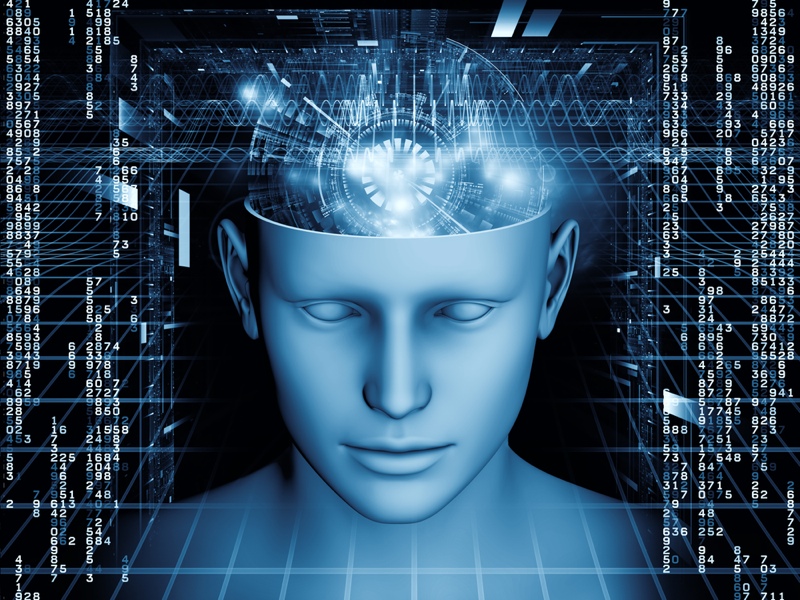
🧬 Are We Close to Doing This?
Not yet. Here’s where we stand:
- Brain mapping tech (like fMRI and connectomics) is improving but nowhere near the full resolution needed.
- Neuroscience still can’t fully explain how consciousness arises — we don’t yet understand how “mind” emerges from brain matter.
- AI simulations can mimic some brain-like behaviors but aren’t close to human-level thinking or emotion.
Projects like Blue Brain Project and Neuralink are making progress, but uploading an entire mind is still theoretical.
⚖️ Ethical & Philosophical Questions
Even if we could do it, several major questions arise:
- 🧠 Is the uploaded version really you, or just a copy?
- 🪦 What happens to your original body and self?
- ⚖️ Who owns your digital mind?
- 💔 What happens if someone deletes or hacks “you”?
These questions challenge our ideas about identity, consciousness, rights, and even the definition of life and death.
🔮 The Future: Is Digital Immortality Possible?
Some scientists believe it could happen within the next century, while others think it’s pure fantasy. If it ever becomes real, it could lead to:
- 👥 Virtual societies of digital beings.
- 📜 Eternal preservation of minds, memories, and personalities.
- 🤖 Mind-controlled robots or avatars.
- 🚀 Interstellar travel without a body.
But it also risks ethical dilemmas, mental instability, and the loss of what it means to be human.
🧠 Final Thought: Science or Sci-Fi?
Uploading consciousness remains one of the most futuristic and controversial ideas in science and philosophy. For now, it sits at the intersection of neuroscience, AI, ethics, and imagination. While we’re far from making it real, the journey to understand consciousness better may open doors we never expected — and challenge everything we think we know about life, death, and identity.

