

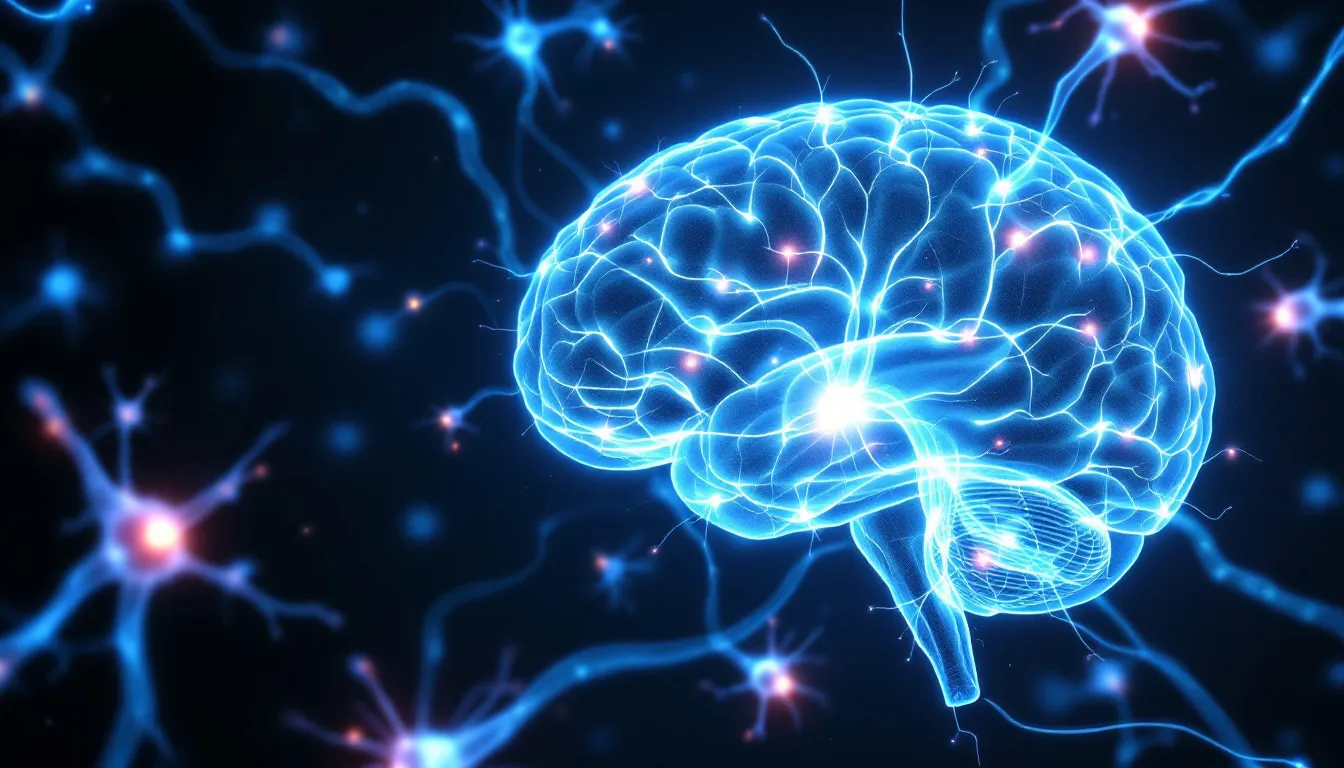
Even while your body rests at night, your brain is wide awake — busy processing, imagining, solving problems, and sometimes, even rehearsing life. But why do we dream? What does your brain actually do while you sleep? Let’s explore the fascinating science behind dreams and discover why your brain never truly sleeps.
🌙 What Are Dreams?
Dreams are a series of thoughts, images, sensations, and emotions that occur during REM (Rapid Eye Movement) sleep, a phase where brain activity is almost as high as when you’re awake. Most dreams are forgotten upon waking, but some leave a lasting impression — joyful, strange, or even scary.
🌀 Why Does the Brain Dream?
Scientists don’t fully agree on a single reason, but research suggests several key purposes:
1. Memory Processing
Your brain organizes and consolidates information you gathered during the day. It filters important memories, files them for long-term storage, and sometimes replays them through dreams.
2. Emotional Regulation
Dreaming helps process strong emotions, like fear, stress, or happiness. It’s a natural way for your brain to cope with unresolved feelings, much like overnight therapy.
3. Problem Solving & Creativity
Have you ever gone to bed with a problem and woken up with a solution? Dreams often help in unconscious problem-solving — many artists, writers, and scientists have found ideas in their sleep!
4. Cognitive Simulation
Dreams act like a mental “flight simulator” — preparing you for real-life challenges by simulating scenarios, interactions, or risks.
🔬 The Science Behind It
- During REM sleep, the amygdala (emotional center) is highly active.
- The prefrontal cortex (logic and reasoning) is less active — which is why dreams can feel bizarre or illogical.
- Neurotransmitters like acetylcholine and serotonin regulate dream patterns and brain activity.
🌌 Types of Dreams
- Lucid Dreams – You become aware you’re dreaming and may even control the dream.
- Nightmares – Emotionally intense dreams, often triggered by stress or trauma.
- Recurring Dreams – The same dream theme reappears, sometimes reflecting unresolved issues.
🛌 Can You Control Your Dreams?
Yes! Techniques like lucid dreaming, meditation, and dream journaling can help you become aware of — and even influence — your dreams. It’s like being the director of your own nightly movie.
🤔 Final Thought: Why the Brain Never Sleeps
While your body recharges, your brain works non-stop — organizing, healing, imagining, and preparing you for tomorrow. Dreams are a sign that your mind is not only alive, but actively shaping who you are — even when you’re unconscious.
So next time you drift off, remember: your brain has work to do.

