

Have you ever wondered why some people chase their goals relentlessly, while others struggle to take the first step? The answer lies in the psychology of motivation — a powerful force that drives our behavior, shapes our habits, and influences our success. Whether you’re a student, professional, entrepreneur, or simply someone trying to build better routines, understanding motivation can be a game-changer.
🔍 What Is Motivation?
Motivation is the internal process that initiates, guides, and sustains goal-directed behavior. It’s what pushes you to get out of bed, finish that course, apply for that job, or chase a dream.
There are two main types of motivation:
1. 🎯 Intrinsic Motivation
- Comes from within — driven by passion, curiosity, or personal growth.
- Example: Learning a new language because you love it.
2. 💰 Extrinsic Motivation
- Comes from external rewards like money, praise, grades, or recognition.
- Example: Studying hard to win a scholarship or promotion.
Fun Fact: Studies show intrinsic motivation often leads to deeper learning and long-term commitment.
🧠 The Science Behind It
Motivation is not just emotional — it’s biological and psychological.
🔄 Dopamine and the Brain
- Dopamine is the “feel-good” neurotransmitter.
- It’s released when we expect a reward, not just when we receive it.
- This is why setting small milestones keeps us motivated — each win triggers dopamine.
📊 Maslow’s Hierarchy of Needs
Motivation also follows a pattern based on our needs:
- Physiological – food, sleep, shelter
- Safety – stability, security
- Love/Belonging – relationships, connection
- Esteem – confidence, respect
- Self-actualization – reaching your full potential
Your level of motivation often reflects where you are on this pyramid.
🔑 Key Factors That Influence Motivation
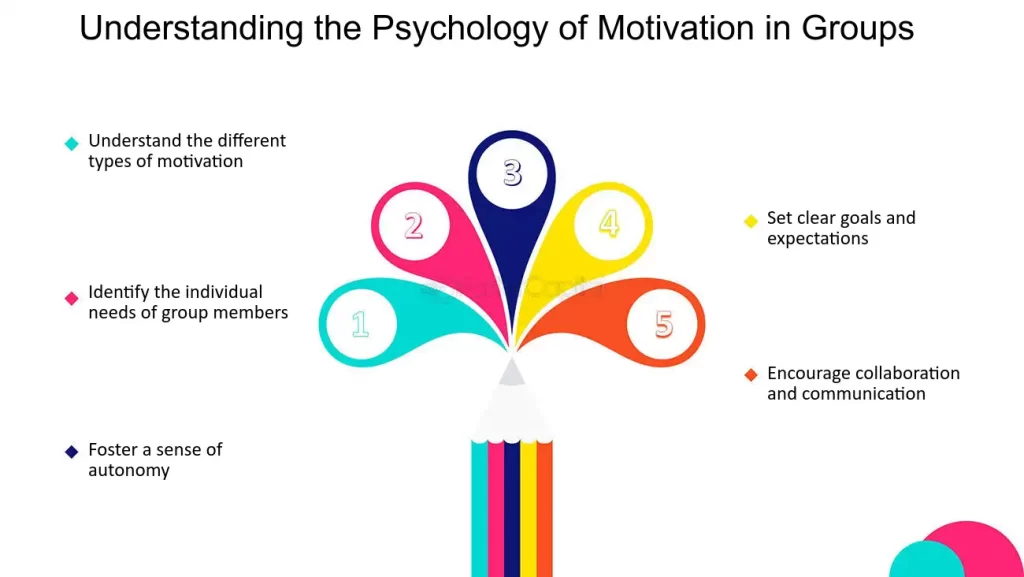
✅ 1. Clear Goals
- Vague intentions = vague results.
- SMART goals (Specific, Measurable, Achievable, Relevant, Time-bound) work best.
✅ 2. Autonomy
- When you choose your goals, you’re more committed.
- This is why personal projects often feel more exciting than assigned ones.
✅ 3. Progress Tracking
- Motivation increases when we see results.
- Tools like checklists, habit trackers, or journaling help visualize growth.
✅ 4. Mindset
- A growth mindset (belief that abilities can improve) boosts persistence.
- A fixed mindset (belief that traits are static) leads to avoidance.
🧩 Why We Lose Motivation
Even the most driven people feel stuck. Here’s why:
- Burnout from overworking or lack of rest
- Fear of failure or imposter syndrome
- Lack of clarity or overwhelming goals
- Distractions or poor environment
The solution? Break goals into smaller tasks, take intentional breaks, and refocus regularly.
🚀 How to Boost Your Motivation Daily
- ✍️ Write down your “why”
- 🔄 Break goals into mini milestones
- 🧘 Practice mindfulness to manage stress
- 📅 Use routines to reduce decision fatigue
- 🎉 Celebrate small wins
💬 Final Thoughts
Motivation isn’t a magic switch — it’s a skill you can understand and cultivate. By learning what drives you personally, you can set the right goals, stay consistent, and build a life filled with purpose and momentum. So next time you feel unmotivated, don’t just push harder. Step back, reconnect with your “why,” and realign your path.

