

In today’s fast-paced, people-centric workplaces, technical skills and experience are no longer enough to lead effectively. The real game-changer? Emotional Intelligence (EI) — the ability to understand and manage emotions in ourselves and others. It’s often unseen, but it’s the secret sauce behind successful leadership. Let’s explore why emotional intelligence is the hidden — but essential — skill of every great manager.
🧠 What Is Emotional Intelligence?
Emotional Intelligence is the ability to:
- Recognize and understand your own emotions
- Recognize emotions in others
- Use this awareness to manage behavior, relationships, and decisions
Coined by psychologist Daniel Goleman, EI is broken into five key components:
🧩 1. Self-Awareness
The ability to recognize your own moods, triggers, and emotions — and understand how they affect your actions and others around you.
⚖️ 2. Self-Regulation
Staying in control — especially under pressure. Great managers don’t react impulsively; they respond thoughtfully.
❤️ 3. Empathy
Understanding what your team is feeling, even if they don’t say it aloud. Empathy fosters trust, inclusion, and loyalty.
🗣️ 4. Social Skills
Strong communication, conflict resolution, and the ability to build networks are all rooted in emotional intelligence.
🎯 5. Motivation
Being driven by internal values — not just money or status — and inspiring others to do the same.
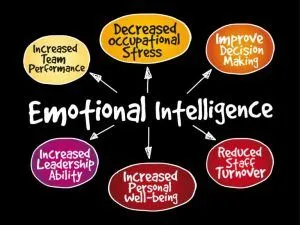
👥 Why Managers Need Emotional Intelligence
✅ Builds Stronger Teams
Managers who understand their people create safer, more supportive environments. That leads to higher engagement and retention.
✅ Handles Conflict Better
EI helps leaders de-escalate tensions, listen actively, and resolve issues without damaging relationships.
✅ Drives Better Decisions
Leaders with emotional insight can see beyond logic — they factor in human behavior and motivation, leading to smarter strategies.
✅ Encourages Feedback & Growth
An emotionally intelligent manager makes it easy for teams to share feedback, speak openly, and grow without fear.
📊 Real-World Impact of EI in Leadership
- 90% of top performers have high EI, according to TalentSmart research.
- Companies with emotionally intelligent leadership report higher productivity and morale.
- Managers with high EI are more likely to be respected and followed, even in difficult situations.
🛠️ How to Build Emotional Intelligence
- 🧘♀️ Practice Mindfulness – Tune into your emotions daily
- ✍️ Keep a Journal – Reflect on emotional responses and situations
- 🧏 Listen More Than You Speak – Especially in tense conversations
- 🤝 Ask for Feedback – From peers and team members
- 📚 Learn Continuously – Read, take courses, and observe emotionally skilled leaders
🔚 Final Thoughts
Emotional intelligence isn’t a soft skill — it’s a strategic leadership advantage. It empowers managers to lead with empathy, stay calm in chaos, build trust, and inspire real change. As workplaces evolve and teams become more diverse and digital, EI is no longer optional — it’s essential.
🌟 Great managers aren’t just smart — they’re emotionally wise.

